


Keeping your fine jewellery brilliant requires just a few simple steps that you can easily do at home. With proper care, your precious pieces will maintain their beauty and sparkle for generations. Whilst regular home maintenance is essential, we also offer professional cleaning and inspection services to ensure your jewellery remains in pristine condition.
Keeping your fine jewellery brilliant requires just a few simple steps that you can easily do at home. With proper care, your precious pieces will maintain their beauty and sparkle for generations. Whilst regular home maintenance is essential, we also offer professional cleaning and inspection services to ensure your jewellery remains in pristine condition.
Treat your treasured pieces to our comprehensive professional cleaning service for AUD 200.
Our expert jewellers will thoroughly clean, inspect, and polish your jewellery using specialised equipment and techniques. This service includes ultrasonic cleaning, steam cleaning, professional polishing, and a detailed inspection of all settings and clasps to ensure your precious stones remain secure.
We recommend professional servicing annually to maintain your jewellery's beauty and integrity.

Treat your treasured pieces to our comprehensive professional cleaning service for AUD 200.
Our expert jewellers will thoroughly clean, inspect, and polish your jewellery using specialised equipment and techniques. This service includes ultrasonic cleaning, steam cleaning, professional polishing, and a detailed inspection of all settings and clasps to ensure your precious stones remain secure.
We recommend professional servicing annually to maintain your jewellery's beauty and integrity.
18 karat gold offers the optimal balance of pure gold and strengthening alloys, combining beauty with durability.
Clean gold jewellery by soaking in warm soapy water for 10-15 minutes, then gently brush with a soft-bristled toothbrush. Rinse thoroughly and buff dry with a soft cloth.
White gold pieces may need re-rhodium plating every 12-18 months to maintain their bright finish.
Store gold pieces in individual soft pouches to prevent scratching.
Naturally white and exceptionally durable, platinum develops a unique patina with regular wear that many people find desirable. This patina forms from the metal shifting rather than wearing away, making platinum ideal for everyday use.
For routine cleaning, use warm soapy water.
If you prefer its original high-polish look, platinum can be professionally repolished at any time.
18 karat gold offers the optimal balance of pure gold and strengthening alloys, combining beauty with durability.
Clean gold jewellery by soaking in warm soapy water for 10-15 minutes, then gently brush with a soft-bristled toothbrush. Rinse thoroughly and buff dry with a soft cloth.
White gold pieces may need re-rhodium plating every 12-18 months to maintain their bright finish.
Store gold pieces in individual soft pouches to prevent scratching.
Naturally white and exceptionally durable, platinum develops a unique patina with regular wear that many people find desirable. This patina forms from the metal shifting rather than wearing away, making platinum ideal for everyday use.
For routine cleaning, use warm soapy water.
If you prefer its original high-polish look, platinum can be professionally repolished at any time.
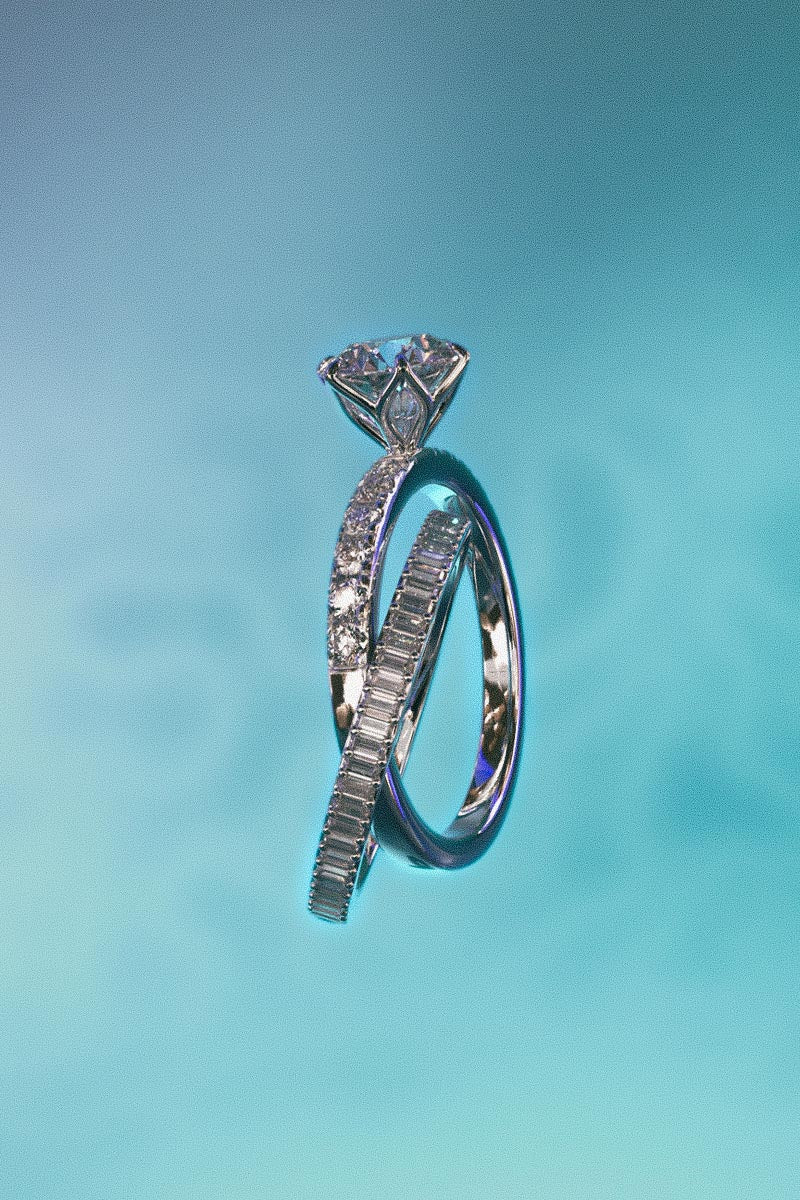
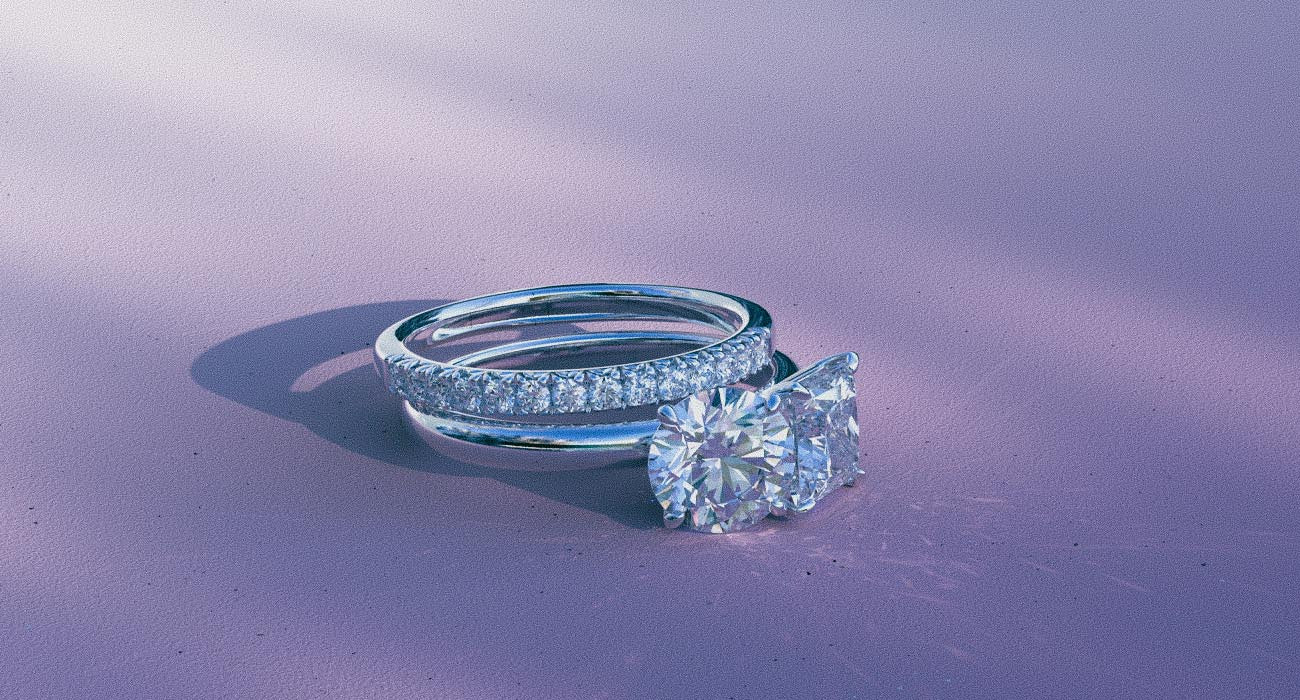
Both lab-grown and natural diamonds are considered the hardest natural gemstone. Diamonds are remarkably durable but still benefit from regular care.
Clean your diamonds using warm water mixed with a drop of mild washing-up liquid. Gently scrub with a soft toothbrush, paying attention to the back of the stone where oils and dirt accumulate. Rinse thoroughly in warm water and dry with a lint-free cloth.
Avoid harsh chemicals and store diamond jewellery separately to prevent them scratching other jewellery.
These stunning gemstones are second only to diamonds in hardness, making them ideal for everyday wear.
Clean sapphires using the same warm soapy water method as diamonds, ensuring you reach behind the setting where dust collects.
Ultrasonic cleaners are generally safe for sapphires, but avoid them if your stone has been treated or has inclusions.
Keep sapphires away from harsh chemicals like bleach and remove them before swimming in chlorinated pools.
Delicate and organic, pearls require gentle care to preserve their lustre.
After each wear, wipe with a soft, damp cloth to remove body oils and perfume that can cause yellowing. Apply pearls last when dressing, after cosmetics and perfume. Never soak pearls, use ultrasonic cleaners, or expose them to chlorine or chemicals. Store in a soft pouch away from other jewellery, in a slightly humid environment - never airtight containers.
Have strands professionally restrung annually if worn regularly, watching for loose knots that indicate immediate restringing is needed.
Both lab-grown and natural diamonds are considered the hardest natural gemstone. Diamonds are remarkably durable but still benefit from regular care.
Clean your diamonds using warm water mixed with a drop of mild washing-up liquid. Gently scrub with a soft toothbrush, paying attention to the back of the stone where oils and dirt accumulate. Rinse thoroughly in warm water and dry with a lint-free cloth.
Avoid harsh chemicals and store diamond jewellery separately to prevent them scratching other jewellery.
These stunning gemstones are second only to diamonds in hardness, making them ideal for everyday wear.
Clean sapphires using the same warm soapy water method as diamonds, ensuring you reach behind the setting where dust collects.
Ultrasonic cleaners are generally safe for sapphires, but avoid them if your stone has been treated or has inclusions.
Keep sapphires away from harsh chemicals like bleach and remove them before swimming in chlorinated pools.
Delicate and organic, pearls require gentle care to preserve their lustre.
After each wear, wipe with a soft, damp cloth to remove body oils and perfume that can cause yellowing. Apply pearls last when dressing, after cosmetics and perfume. Never soak pearls, use ultrasonic cleaners, or expose them to chlorine or chemicals. Store in a soft pouch away from other jewellery, in a slightly humid environment - never airtight containers.
Have strands professionally restrung annually if worn regularly, watching for loose knots that indicate immediate restringing is needed.
These captivating gemstones need careful handling due to their high water content and softer composition.
Clean only with a soft, damp cloth - never use ultrasonic cleaners, steam, or chemicals which can cause cracking. Avoid sudden temperature changes and remove before hot showers or saunas.
Remove opal jewellery before active activities as they may scratch or chip.
Other resilient gemstones, such as rubies and topaz, are suitable for frequent wear.
These harder stones can be cleaned using warm soapy water - the same cleaning method used for diamonds.
Ultrasonic cleaners are generally safe for these gemstones, provided they're free from significant inclusions or treatments.
Other softer gemstones, such as emerald and tanzanite, require particularly gentle handling due to their softer composition. Emeralds are almost always treated with oils to enhance clarity, making them vulnerable to damage from ultrasonic cleaners, steam, and harsh chemicals.
Clean these softer stones only with a damp cloth or very mild soapy water, rinse quickly without soaking, and dry immediately.
These captivating gemstones need careful handling due to their high water content and softer composition.
Clean only with a soft, damp cloth - never use ultrasonic cleaners, steam, or chemicals which can cause cracking. Avoid sudden temperature changes and remove before hot showers or saunas.
Remove opal jewellery before active activities as they may scratch or chip.
Other resilient gemstones, such as rubies and topaz, are suitable for frequent wear.
These harder stones can be cleaned using warm soapy water - the same cleaning method used for diamonds.
Ultrasonic cleaners are generally safe for these gemstones, provided they're free from significant inclusions or treatments.
Other softer gemstones, such as emerald and tanzanite, require particularly gentle handling due to their softer composition. Emeralds are almost always treated with oils to enhance clarity, making them vulnerable to damage from ultrasonic cleaners, steam, and harsh chemicals.
Clean these softer stones only with a damp cloth or very mild soapy water, rinse quickly without soaking, and dry immediately.
